
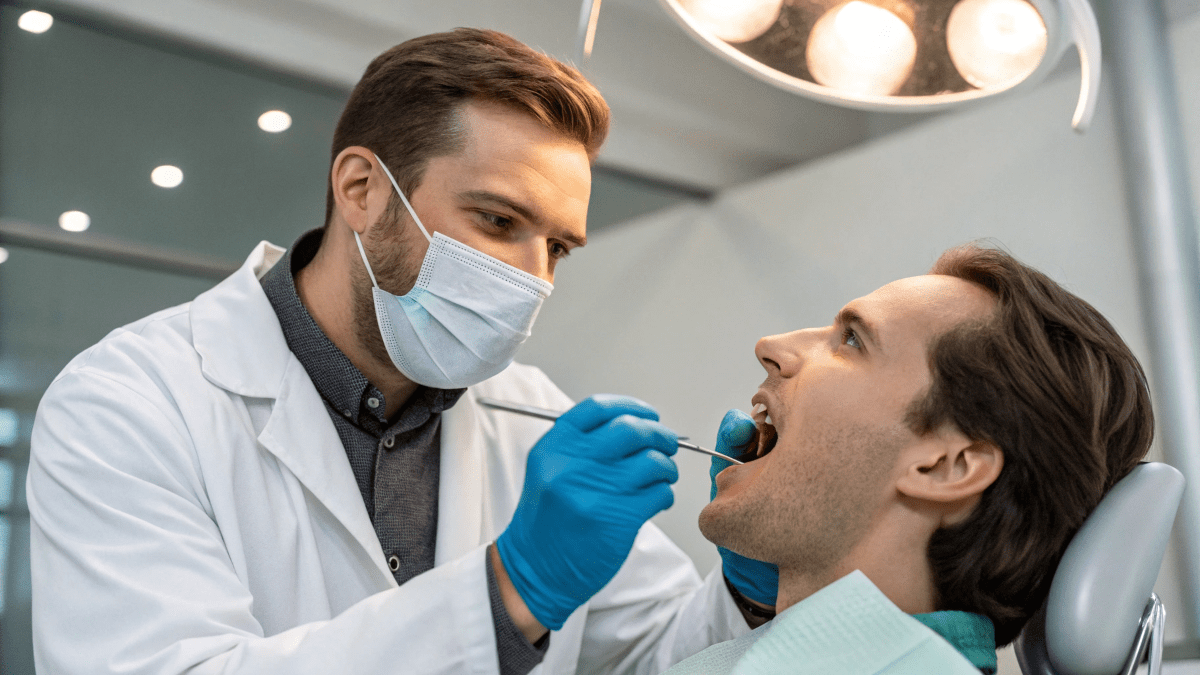
If a toothache, broken tooth, or knocked-out tooth strikes, you need clear steps and fast care you can trust. Emergency dental services in Palmdale, CA provide same-day evaluation, pain control, and urgent treatments to save teeth and stop infections.
This article outlines how to recognize true dental emergencies, what happens during an urgent visit, and practical aftercare so someone can act quickly and confidently. Expect straightforward guidance on finding qualified local care, preparing for unexpected dental problems, and simple prevention tips to reduce future risks.
Recognizing Dental Emergencies
This section identifies clear signs that a dental problem needs urgent attention, explains when to call for immediate care versus scheduling, and outlines risks if sudden symptoms are ignored.
Common Signs Urgent Care Is Needed
Severe, uncontrolled pain that prevents sleeping or eating often indicates an infection or deep cavity needing prompt treatment. Pain that radiates to the jaw, ear, or neck can signal spreading infection or a cracked tooth.
Visible heavy bleeding after trauma or extraction that won’t stop after 10–15 minutes of pressure requires same-day evaluation. A knocked-out tooth (avulsed) needs reimplantation ideally within 30–60 minutes; keep the tooth moist in milk or saline and go to an emergency dentist immediately.
A large, rapidly growing facial swelling, especially with fever, suggests a spreading dental abscess that can block airways or enter the bloodstream. Broken teeth causing jagged edges that cut the tongue, cheek, or lip should be seen right away to control bleeding and repair soft tissue.
When to Seek Immediate Help vs. Schedule an Appointment
Seek immediate care within hours for uncontrolled pain, heavy bleeding, facial swelling with fever, or an avulsed tooth. These conditions carry a higher risk of infection spread, airway compromise, or permanent tooth loss.
Schedule a same-week appointment for moderate pain, a lost filling or crown that doesn’t expose nerve tissue, or a slowly developing abscess without fever. These problems are urgent but usually not life-threatening and can often wait a day or two for definitive care.
Use this quick checklist:
- Immediate (go now): uncontrollable pain, heavy bleeding, knocked-out tooth, big swelling with fever.
- Soon (call today): persistent moderate pain, broken crown or filling, recurring bite problems. This helps prioritize care and reduces unnecessary emergency visits.
Risks of Ignoring Sudden Symptoms
Delaying treatment for severe tooth pain or swelling can allow infections to spread to the jawbone, sinuses, or bloodstream, increasing the need for hospitalization or IV antibiotics. An untreated avulsed tooth has a very low chance of successful reimplantation after prolonged dry time, leading to permanent tooth loss and possible need for implants.
Ignoring broken teeth with exposed nerve tissue often leads to worsening pain, chronic infection, and more extensive treatments like root canal therapy or extraction. Delayed care for facial soft-tissue injuries risks improper healing and visible scarring, which may require corrective procedures.
Timely action preserves teeth and reduces treatment complexity. Patients should call their dental office or an emergency dental clinic at the first sign of the problems listed above to protect oral and overall health.
Types of Urgent Dental Issues
Patients in Palmdale often face sudden dental problems that need prompt attention to relieve pain, stop infection, and preserve teeth. The most common urgent issues include severe infections, trauma to teeth, restoration failures, and soft-tissue injuries that can cause bleeding or swelling.
Severe Toothache or Infection
A severe toothache that wakes a person at night, causes swelling of the face, or produces fever signals a likely infection that requires immediate care. Dentists assess pain location, duration, and sensitivity to hot or cold; they look for gum abscesses, pus drainage, and swelling that limits mouth opening or breathing.
Treatment focuses on controlling infection and pain. Typical steps include antibiotics if systemic signs exist, drainage of an abscess when present, and either root canal therapy to save the tooth or extraction if the tooth cannot be restored. Pain management uses prescription-strength analgesics and short-term topical anesthetics.
Delaying care risks spread of infection to adjacent teeth, jawbone, or facial spaces, and can lead to emergency hospital care. Patients should avoid placing aspirin or topical oils directly on gums and instead rinse with warm saline and seek same-day dental evaluation.
Broken or Knocked-Out Teeth
A fractured tooth can range from a small chip to a vertical crack through the root, and each type needs different handling. For minor chips, bonding or a veneer may restore form and function; larger fractures often require crowns or root canal therapy if the pulp is exposed.
A tooth knocked completely out (avulsion) has the best chance of reimplantation if treated within an hour. Handle the tooth by the crown, rinse debris with saline only, and try to reinsert it into the socket or store it in milk or a tooth-preservation solution. Bring the tooth and the patient to the dentist immediately.
For subluxation or displacement injuries, dentists reposition and stabilize the tooth with splints. Imaging evaluates root and bone damage. Follow-up includes monitoring pulp health, possible root canal treatment, and instructions to avoid biting hard foods during healing.
Lost Fillings or Crowns
A lost filling or crown exposes tooth structure to increased risk of decay, sensitivity, and further breakage. If a crown comes off, patients should clean the restoration, inspect for debris, and either temporarily recement it with dental cement from a pharmacy or bring it to the dentist for same-day recementation.
For lost fillings, protect the tooth by avoiding sticky or hard foods and using temporary dental cement or sugar-free gum as a short-term seal. Over-the-counter sensitivity toothpaste and topical desensitizers help with discomfort until professional repair.
Dentists evaluate the remaining tooth for decay, structure loss, and margins to decide between replacement filling, onlay, or a new crown. Prompt attention prevents deeper decay and the need for more complex treatments like root canals.
Soft Tissue Injuries in the Mouth
Cuts, lacerations, or puncture wounds to the lips, tongue, cheeks, or gums can bleed heavily and be painful. Apply gentle pressure with sterile gauze for 10–15 minutes to control bleeding; if bleeding is severe or does not stop, seek emergency dental or medical care.
Dentists check for embedded foreign objects, evaluate the depth of the wound, and determine whether sutures are needed. Minor abrasions often heal on their own with antiseptic rinses and soft diet; deeper lacerations may require suturing to restore function and minimize scarring.
Watch for signs of infection—increasing pain, spreading redness, fever, or pus—and follow tetanus recommendations for puncture wounds. Pain can be managed with recommended analgesics, and antibiotics are prescribed when the wound is contaminated or there is a high infection risk.
What To Expect During an Emergency Visit
Most emergency dental visits focus on controlling pain quickly, identifying the cause with targeted diagnostics, and providing a safe, practical treatment or temporary fix. Staff will prioritize comfort, explain each step, and outline follow-up care and costs.
Initial Assessment and Pain Relief
On arrival, the team checks vital signs and asks about the injury, pain level, medical history, and medications. A triage nurse or dental assistant documents symptoms and photos of visible trauma to speed clinician review.
The dentist will perform a focused oral exam to localize the problem—examining teeth, gums, soft tissue, and any swelling. For severe pain or swelling, the clinician often administers local anesthesia, a short course of oral analgesics, or a single dose of prescription-strength pain medication to provide immediate relief.
If infection or systemic symptoms appear (fever, spreading swelling, difficulty breathing), staff may start antibiotics and arrange urgent referral to a hospital if airway risk exists. Staff explains risks, benefits, and expected timeline for pain control before proceeding.
Diagnostic Tools Used
Digital X-rays (periapical or bitewing) reveal fractures, root problems, and bone loss within minutes. Panoramic X-rays may be used for jaw or multiple-tooth trauma to view the entire dental arch in one image.
Intraoral cameras let the dentist show the patient high-resolution photos of chips, cracks, or soft-tissue injuries. This visual tool helps patients understand the diagnosis and proposed plan.
Pulp vitality tests and percussion tests check nerve health and inflammation when the tooth’s survival is in question. For complex facial trauma, the dentist may request a CBCT scan to evaluate root fractures, jaw fractures, or displaced teeth in three dimensions.
Treatment Options Available
Treatment depends on diagnosis: options range from simple smoothing and bonding for minor chips to root canal therapy for irreversibly damaged pulp. For a knocked-out tooth, reimplantation within 60 minutes gives the best chance of saving the tooth; staff will rinse, reposition, splint, and prescribe antibiotics and follow-up.
For acute infections, the dentist may incise and drain localized abscesses, start oral antibiotics, and schedule definitive treatment like a root canal or extraction. For severe fractures or multiple-tooth injuries, temporary splints, protective crowns, or referral to an oral surgeon may be arranged the same day.
Staff reviews aftercare: pain control instructions, diet modifications, signs of worsening infection, and follow-up appointment scheduling. They also provide contact info for after-hours concerns and explain expected costs and insurance steps to reduce surprises.
Aftercare and Recovery
Patients should follow clear instructions, manage pain and swelling with simple home measures, and know when to return for follow-up care. Keeping the treated area clean, eating soft foods, and monitoring for signs of complications helps healing proceed smoothly.
Post-Treatment Instructions
The dentist will provide written and verbal directions specific to the procedure performed. Typical instructions include avoiding strenuous activity for 24–48 hours, not rinsing vigorously for the first 12 hours, and biting on gauze to control bleeding until it stops.
Oral hygiene should continue gently. Brush remaining teeth but avoid the surgical site for 24 hours; after that, rinse with a warm saline solution (1/2 teaspoon salt in 8 oz. water) 2–3 times daily to reduce bacteria and promote healing.
Medications must be taken exactly as prescribed. Complete any antibiotic course and use analgesics on the schedule recommended. If the patient uses a blood thinner, follow the dentist’s or physician’s specific guidance about temporary adjustments.
Food and drink choices affect recovery. Eat soft, cool foods for the first 48–72 hours—yogurt, mashed potatoes, smoothies (use a spoon, not a straw). Avoid hot, spicy, or crunchy foods that can irritate the site or dislodge clots.
Managing Discomfort at Home
Pain and swelling are common after extractions, root canals, or trauma; both usually peak within 48–72 hours and then improve. Apply a cold pack to the cheek for 15 minutes on and 15 minutes off for the first 24 hours to reduce swelling.
Use over-the-counter pain relievers like ibuprofen unless contraindicated; follow dosing instructions and combine with acetaminophen if advised by the dentist for better control. Prescription pain medications, when given, should be used only as directed and avoided driving or operating machinery while taking them.
Keep the head elevated when resting to minimize throbbing. Avoid smoking and alcohol, which delay healing and increase infection risk. If numbness persists beyond expected local-anesthetic duration, contact the office for evaluation.
When to Schedule Follow-Up Visits
The dentist will recommend a follow-up based on the procedure: most extractions or minor surgeries require a 1-week check, while complex surgeries or implant placements may need multiple visits over several months. A root canal typically needs a permanent restoration within 1–2 weeks.
Schedule an earlier visit if any of these occur: persistent heavy bleeding beyond 12 hours, severe uncontrolled pain, fever over 100.4°F (38°C), increasing swelling after 72 hours, or pus or foul taste indicating infection. Emergency contact information should be used for after-hours problems.
Keep all recommended follow-up appointments to allow the clinician to remove sutures, assess healing, and place final restorations. Timely visits reduce the chance of complications and help return the patient to normal eating and oral care routines.
How to Prepare for Dental Emergencies
Preparing ahead reduces pain and speeds recovery. Gather a small kit, know immediate steps to stabilize injuries, and practice simple prevention habits to lower the chance of common accidents.
Essential Items for a Dental First Aid Kit
Keep a compact, labeled kit in the home and car. Include:
- Sterile gauze pads (several sizes) for bleeding control.
- Disposable gloves to reduce infection risk when handling injuries.
- Saline solution or bottled water for gentle rinsing of the mouth and a knocked-out tooth.
- Small container with lid (like a medicine cup) to store an avulsed tooth in milk or saline.
- Over-the-counter pain relievers (ibuprofen preferred) and acetaminophen as alternatives.
- Temporary dental cement or sugar-free gum to cover sharp edges until treatment.
- Cold pack to limit swelling and reduce pain.
- Soft floss and interdental brushes to remove debris without causing trauma.
Store contact details: local emergency dentist in Palmdale, nearest hospital ER, and the patient’s dentist. Replace expired medication and replenish used items every six months.
Steps to Take Before Professional Care
Act quickly but calmly; initial actions matter. For a knocked-out tooth, hold it by the crown, rinse gently without scrubbing, and place it back in the socket if possible; otherwise keep it in milk or saline and reach a dentist within 30–60 minutes.
For severe bleeding, apply firm pressure with gauze for 10–15 minutes and elevate the head to slow bleeding. Use a cold pack on the cheek to reduce swelling. For broken teeth with sharp edges, temporarily cover the area with dental cement or sugar-free gum to protect the tongue and lips.
If jaw pain or suspected fracture exists, avoid trying to reposition the jaw. Stabilize the head and seek immediate care. Note medications, allergies, and recent dental work to share with the provider.
Tips for Preventing Common Accidents
Wear a fitted mouthguard during contact sports and high-risk activities; custom guards from a dentist offer the best protection. For children, choose properly sized guards and replace them as teeth change.
Remove hazards at home: secure loose rugs, keep toys and small objects off floors, and use non-slip mats in bathrooms. Encourage safe eating habits—avoid hard candies, ice chewing, and opening packages with teeth.
Maintain routine dental visits and address weakened teeth early with crowns or fillings to prevent fractures. Keep emergency contact info visible and practice simple first-aid steps with family members so everyone responds quickly and confidently.
Finding Qualified Care in Palmdale
Patients should look for providers with clear emergency protocols, up-to-date licenses, and transparent fees. Local clinics that publish after-hours availability, weekend slots, and payment options make urgent care decisions easier.
Choosing Your Dental Provider
They should verify a dentist’s California DDS or DMD license through the Dental Board of California online lookup. Look for dentists who list specific emergency experience—root canal therapy, tooth extractions, and trauma repair—on their websites or profiles.
Check patient reviews on Google and Yelp for comments about wait times, pain management, and follow-up care. Ask whether the practice uses digital X-rays and same-day crowns or referrals to oral surgeons when needed. Confirm language services and whether staff can coordinate urgent care for children, seniors, or patients with special needs.
Bring identification and a brief medical history to the visit. A clinic that offers triage over the phone and clear written aftercare instructions typically provides more reliable emergency care.
Availability of After-Hours Services
They should prioritize clinics that publish real-time hours and emergency phone lines on their websites. Some Palmdale practices keep extended weekday hours until 7 p.m., and a few offer Saturday emergency slots; call ahead to confirm same-day openings.
Determine whether the clinic uses an on-call dentist for nights and holidays or refers to hospital-based oral surgery. Ask how long typical emergency appointments run and whether the practice reserves slots for walk-ins. If pain or swelling is severe, emergency departments at nearby hospitals (Antelope Valley Hospital) remain options when dental clinics are closed.
Keep a list of three local clinics with their after-hours numbers and directions. That saves time when rapid care matters.
What to Know About Insurance and Payment Options
They should confirm in-network participation before treatment to avoid surprise bills. Most Palmdale dental offices accept Delta Dental, MetLife, and Cigna, and many accept PPO plans; Medicaid (Medi-Cal) acceptance varies—call first.
Ask about estimates for emergency procedures: exams, X-rays, antibiotics, extractions, and root canals. Practices commonly require a deposit for same-day emergency work and offer payment plans, CareCredit, or credit-card processing. Keep documentation of pre-authorizations or referrals to expedite insurance claims.
For uninsured patients, request a written treatment plan with itemized costs and ask about sliding-scale fees or limited-scope urgent care options focused on pain relief and infection control.
Preventive Strategies for Healthy Smiles
Good daily habits, protective gear for activities, and timely dental exams keep most emergencies from happening. Practical steps — from brushing technique to mouthguard choices and scheduled checkups — cut risk and protect long-term oral health.
Everyday Habits to Reduce Risk
They should brush twice daily with a soft-bristled toothbrush and fluoride toothpaste for two minutes each time. Focus on gentle, circular strokes along the gumline and the chewing surfaces to remove plaque without damaging enamel or gums.
Floss once daily, using a clean section of floss for each tooth to remove debris between teeth where a brush can’t reach. For those with bridges or implants, interdental brushes or water flossers work better than standard floss.
Limit sugary snacks and acidic drinks to mealtimes and rinse with water after consumption. Drinking fluoridated tap water and using a fluoride rinse as recommended strengthens enamel and lowers decay risk.
Protecting Teeth During Sports
They should wear a custom-fitted mouthguard for any contact or collision sport. Custom guards made by a dentist provide better fit, retention, and shock absorption than boil-and-bite or stock models.
Recommend a guard for youth and adult athletes in football, hockey, basketball, soccer, gymnastics, skateboarding, and martial arts. Also use face shields or helmets when appropriate to reduce facial and dental trauma.
Inspect and replace mouthguards annually or after significant wear, growth, or dental work. Store guards in a ventilated case, clean with a brush and mild soap, and avoid hot water that warps the material.
The Importance of Regular Checkups
They should schedule dental exams every six months, or more often if they have gum disease, diabetes, or a history of frequent decay. Regular visits allow dentists to detect small problems — like hairline fractures or early cavities — before they become emergencies.
Professional cleanings remove hardened tartar that at-home care cannot, reducing inflammation and pocketing that lead to tooth loss. Dentists also take digital X-rays and intraoral photos to monitor hidden issues and changes over time.
During visits, clinicians assess occlusion, wear patterns, and restorations to recommend preventive measures such as nightguards, sealants, or topical fluoride. Patients should ask their dentist about same-day emergency appointments and after-hours access when planning care.
When to Reach Out to a Dental Expert
Severe tooth pain that won’t subside after over-the-counter pain relief or that wakes someone at night warrants immediate attention. Pain that radiates to the ear, jaw, or neck can signal infection or nerve involvement and should be checked promptly.
A knocked-out tooth or one that is partially dislodged requires urgent care; quick action can sometimes save the tooth. They should keep the tooth moist and contact a dentist immediately for reimplantation options.
Uncontrolled bleeding from the mouth after trauma or a recent extraction is a clear reason to seek emergency services. Persistent bleeding despite firm pressure for 15–20 minutes needs professional evaluation.
Swelling that affects breathing, swallowing, or causes fever suggests a spreading infection. These signs may require antibiotics, drainage, or urgent medical coordination.
Broken crowns, loose bridges, or sudden prosthetic failure that cause pain or prevent eating should be addressed soon to avoid further damage. Temporary fixes can often restore function until a definitive repair is scheduled.
Signs of abscesses—localized swelling, a pimple-like bump on the gum, or a bad taste in the mouth—indicate infection. Drainage and targeted treatment help prevent complications.
If uncertainty remains about the severity, contacting a dental office for advice or a same-day appointment offers reassurance and a clear next step. The dental team can triage symptoms, recommend immediate measures, and arrange timely care.
Frequently Asked Questions
This section explains what qualifies as a true dental emergency, the timeframes for care, simple home steps for knocked-out teeth or lost restorations, appointment availability and what happens during a visit, insurance and payment options, and same-day treatment options for broken teeth and swelling.
What counts as a true dental emergency, and when should I seek care right away?
A true dental emergency includes uncontrolled bleeding, severe tooth pain that wakes a person at night, facial swelling that affects breathing or swallowing, trauma that knocks out teeth, and signs of a spreading infection (fever plus red, swollen areas).
They should seek immediate care when pain is severe, swelling is increasing, or any injury affects breathing, swallowing, or speech.
How quickly can I be seen if I have severe tooth pain or a possible infection?
Most emergency dental practices in Palmdale schedule same-day appointments for severe pain or suspected infections.
If symptoms suggest an abscess or spreading infection, clinics aim to see patients within hours to start antibiotics or perform drainage if needed.
What should I do at home if a tooth gets knocked out or a crown/filling falls out before I can come in?
If a tooth is knocked out, rinse it gently with water, hold it by the crown, and try to reinsert it if possible; otherwise place it in milk or saliva and get to the dentist immediately.
For a lost crown or filling, rinse the tooth, keep the restoration if intact, and avoid chewing on that side; dental cement from a pharmacy can temporarily reattach a crown until professional care.
Do you offer same-day or after-hours appointments, and what can I expect during an emergency visit?
Many Palmdale emergency dentists offer same-day and some provide limited after-hours or weekend slots for urgent cases.
During the visit, the team will evaluate pain and swelling, take X-rays if needed, control pain, and recommend treatment such as extraction, root canal, or prescription medication.
Will my dental insurance be accepted, and what payment options are available if I’m uninsured?
Most emergency dental offices accept major dental insurance plans and will verify benefits before or during the visit.
Uninsured patients can often pay by card, cash, or financing plans; many clinics offer upfront cost estimates and flexible payment arrangements for urgent treatment.
Can an emergency dentist treat a broken tooth or swelling the same day, and how can I prevent it from happening again?
Yes. Dentists frequently stabilize broken teeth the same day with bonding, crowns, or temporary restorations and treat swelling with antibiotics or incision and drainage when appropriate.
Prevention steps include wearing a properly fitted mouthguard for sports, avoiding hard or sticky foods, treating decay promptly, and keeping regular dental checkups to catch problems early.