
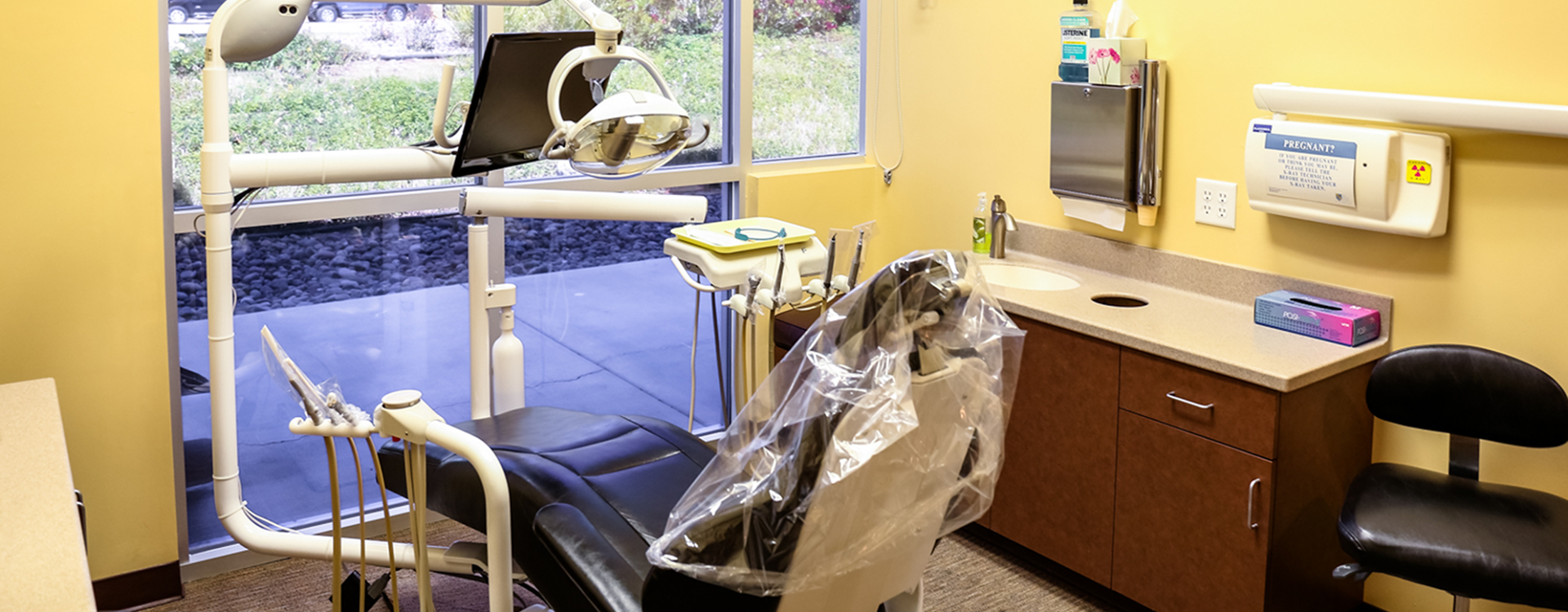


Dental implants are a permanent solution for replacing missing or severely damaged teeth. Unlike traditional dentures or bridges, dental implants are embedded directly into your jawbone, providing a stable and durable foundation for crowns, bridges, or dentures. At Division Street Dental Group in Palmdale, we use state-of-the-art technology and materials to ensure that your dental implants look and function just like your natural teeth, giving you back the confidence to smile, eat, and speak with ease.
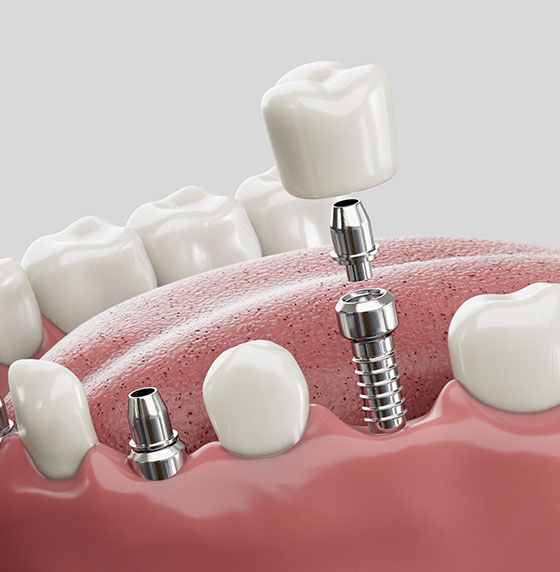

A dental implant consists of three main components:
Dental implants offer several advantages over traditional tooth replacement options, making them the preferred choice for many patients. Here’s why dental implants are a great option:

Dental implants are typically made from medical-grade titanium, a biocompatible material that integrates with natural bone. Titanium provides strength, stability, and long-term durability while minimising the risk of rejection or allergic reaction.
Implants are surgically positioned into the jawbone under local anaesthesia or sedation. After placement, the implant gradually integrates with the surrounding bone during a healing process called osseointegration.
Single implant placement usually takes one to two hours, depending on complexity. Surgical time varies based on bone condition, number of implants, and whether additional procedures are required.
Healing typically takes three to six months. During this period, the implant bonds securely with the jawbone, creating a stable foundation for the final crown or prosthetic restoration.
Osseointegration is the biological process where the implant fuses directly with the surrounding jawbone. This integration creates a strong, stable base capable of supporting normal biting and chewing forces.
Smokers may qualify for implants, but smoking increases the risk of healing complications and implant failure. A detailed consultation helps evaluate individual risk and determine suitability.
Implant failure is uncommon but may occur due to infection or inadequate integration. In many cases, the implant can be removed, the site treated, and replacement considered after healing.
Yes, implant crowns are custom fabricated to match surrounding teeth in shape, size, and color. This ensures natural appearance, functional bite alignment, and long-term durability.
Yes, implants stimulate the jawbone through functional chewing pressure. This stimulation helps maintain bone density and reduces progressive bone deterioration associated with missing teeth.
Costs vary depending on implant number, bone condition, and restoration type. A consultation provides accurate evaluation, imaging, and a detailed cost estimate based on individual treatment needs.