
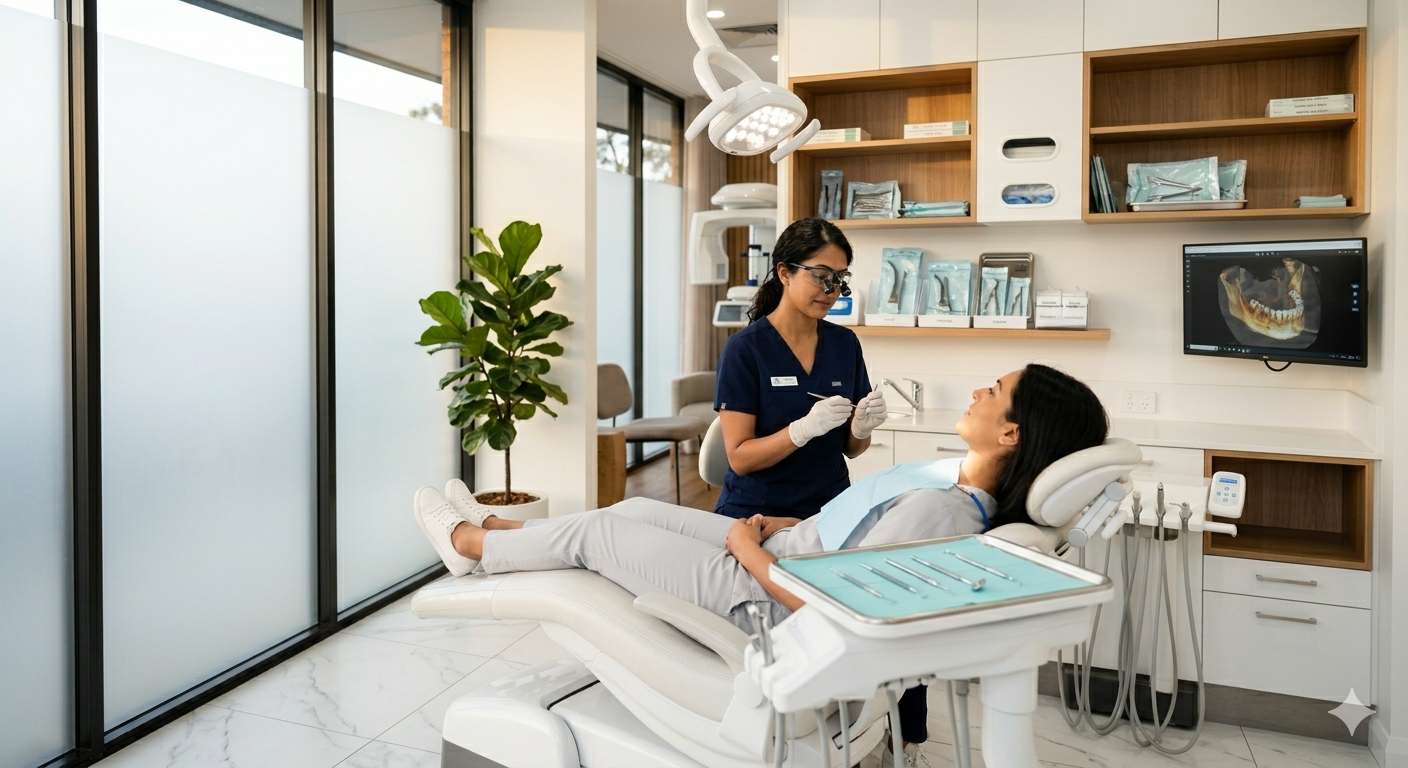
When a dental emergency strikes in Palmdale, CA, knowing where to turn quickly makes all the difference. Whether it’s a sudden toothache, a broken crown, or an injury from an accident, immediate care can prevent more serious problems down the road. An emergency dentist in Palmdale is ready to provide fast, effective relief and expert treatment when you need it most.
These dental professionals understand how frightening unexpected pain or damage can be. They offer timely appointments, use modern techniques to ease discomfort, and focus on gentle, personalized care to help patients feel calmer and more secure during stressful moments.
If you or someone you know faces a dental crisis, getting in touch with an emergency dentist in Palmdale is a smart step. They’re equipped to handle urgent cases and guide patients toward a smooth recovery, making sure smiles stay healthy and strong.
When to Seek Immediate Dental Care
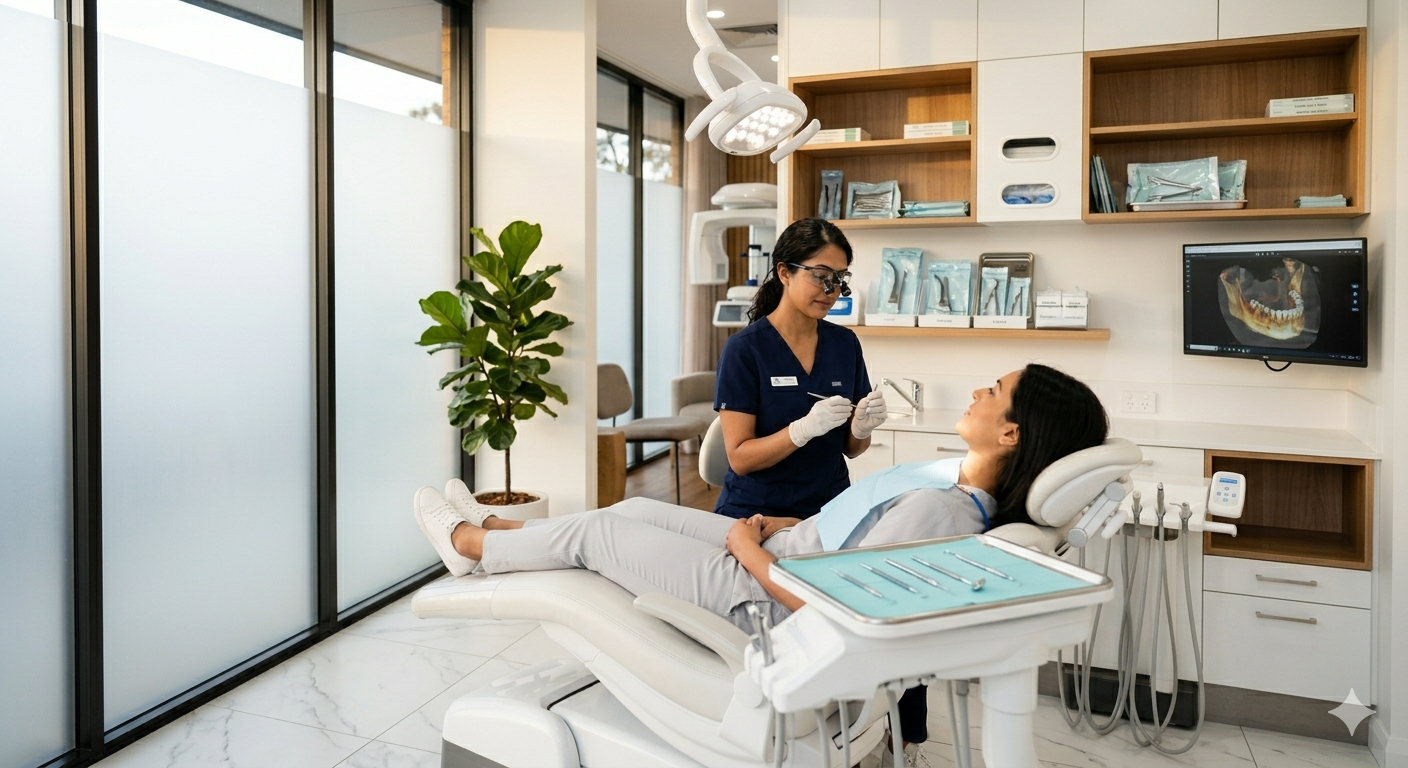
Knowing the signs that require urgent dental attention can prevent complications and ease discomfort. Acting quickly and preparing properly ensures the best possible outcome in a dental emergency.
Recognizing Dental Emergencies
A dental emergency often involves sudden, severe pain or visible damage to the teeth or gums. Examples include knocked-out teeth, deep cuts inside the mouth, and severe toothaches that don’t improve with over-the-counter pain medication.
If there is uncontrolled bleeding, swelling affecting breathing or swallowing, or an injury caused by trauma, immediate care is essential. Persistent pain after a dental procedure or an infected tooth with fever also warrants urgent attention.
Timely response helps reduce risks of infection or permanent damage. Recognizing these specific signs can guide someone to seek proper care without delay.
What to Do Before You Arrive
First, if a tooth is knocked out, rinse it gently with water — avoid scrubbing or removing tissue. Try to place the tooth back in its socket or keep it in milk or saliva to preserve it.
Control bleeding by applying gentle pressure with a clean cloth or gauze. Use a cold compress on the outside of the mouth or cheek to reduce swelling.
Avoid eating or drinking if oral surgery or trauma has occurred until a dentist evaluates the injury. Collect any broken tooth pieces and bring them along. Staying calm and following these steps can improve emergency treatment success.
Common Signs You Need Urgent Help
Certain symptoms clearly signal a need for fast dental care. These include:
- Intense or throbbing tooth pain lasting more than a day
- A visibly broken, cracked, or loose tooth
- Swelling of the face or gums that worsens quickly
- Signs of infection: pus, bad taste, fever, or red streaks on the skin
- Jaw pain that limits mouth opening or causes difficulty chewing
Ignoring these signs risks worsening infection or permanent tooth loss. Prompt dental visits can provide relief and prevent further complications. If in doubt, reaching out to an emergency dentist is a smart choice.
Types of Dental Emergencies
Dental emergencies often present in distinct ways that require prompt attention to avoid complications. Pain, trauma, and damage to dental work are common triggers for urgent care. Understanding the nature of these emergencies helps patients recognize when to seek help.
Severe Toothaches and Oral Pain
Severe toothaches usually signal underlying issues such as infection, decay, or gum disease. The pain can be intense, throbbing, or constant, sometimes spreading to the jaw or head. Immediate treatment is important to prevent the problem from worsening and to relieve discomfort.
Patients should avoid self-medicating with aspirin placed directly on the gums, as this can cause burns. Instead, rinsing with warm salt water and using over-the-counter pain relievers until seeing a dentist is recommended. The dentist will diagnose the cause and provide treatments like root canals or antibiotics if an infection is present.
Cracked, Broken, or Knocked-Out Teeth
Injuries from accidents or bites can cause teeth to crack, break, or become completely knocked out. A cracked tooth may cause pain when chewing or sensitivity to temperature. Broken teeth vary from small chips to larger pieces coming off.
If a tooth is knocked out, immediate action can save it. Rinsing the tooth gently with water and trying to place it back in the socket without touching the root is crucial. If that’s not possible, storing the tooth in milk or saliva and getting emergency dental care quickly increases the chances of successful reimplantation.
Lost Fillings, Crowns, or Dental Work
Fillings or crowns can become loose or fall out due to decay beneath them, injury, or normal wear and tear. This exposes sensitive tooth areas, causing discomfort and increasing the risk of infection or further damage.
Temporary dental cement, available at pharmacies, can protect the exposed area until a dentist can provide a permanent fix. Keeping the lost crown or filling intact and bringing it to the appointment helps the dentist decide on the best repair method. Prompt care prevents complications like pain or tooth damage.
What to Expect During an Emergency Visit
An emergency dental visit in Palmdale, CA, focuses on quickly relieving pain, preventing further damage, and planning necessary treatment. The process involves a thorough exam, immediate pain control, and clear instructions for follow-up care to support healing and avoid future problems.
Initial Assessment and Comfort Measures
When a patient arrives, the dentist performs a detailed oral exam to identify the cause of pain or injury. This often includes checking for broken teeth, swelling, or infection. They may also take X-rays to see beyond what’s visible.
To ease discomfort, the dentist offers immediate comfort measures such as applying cold packs or administering local anesthesia. The goal is to reduce pain and swelling quickly so the patient feels more at ease while the visit continues.
Pain Relief and Treatment Options
Pain relief is the top priority in an emergency visit. Dentists use options like numbing gels, local anesthesia, or sometimes sedation, depending on the severity of the pain and anxiety level.
Treatment might include repairing a chipped tooth, draining an abscess, or stabilizing a loose tooth. If the problem is too severe for same-day repair, the dentist will provide temporary solutions to protect the area and schedule follow-up appointments.
Follow-Up Care and Preventing Reoccurrence
After immediate treatment, the dentist explains what follow-up care is needed. This may involve antibiotic prescriptions, pain management tips, or instructions on oral hygiene.
They also advise on signs to watch for that require urgent attention, like increased swelling or fever. Preventive advice usually includes using mouthguards, avoiding hard foods, and regular dental checkups to reduce future emergencies.
How Modern Dentistry Handles Urgent Cases
Emergency dental care today relies on tools and techniques designed to quickly identify problems and treat them with the least discomfort possible. Patients benefit from faster diagnoses and gentler treatments that focus on preserving natural teeth whenever possible.
Advanced Technology for Swift Diagnosis
Modern emergency dentists use digital X-rays and 3D imaging to quickly locate issues like cracks, abscesses, or impacted teeth. These tools reduce the need for multiple appointments by providing clear, immediate views of the problem area.
In addition to imaging, many offices use intraoral cameras that show patients exactly what the dentist sees. This helps patients understand their condition and the recommended treatment options. Technology speeds up diagnosis, which means less time in pain and a faster path to relief.
Gentle, Minimally Invasive Treatments
Dentists employ techniques like laser therapy and air abrasion to treat urgent problems with minimal discomfort. For example, lasers can reduce swelling and kill bacteria in infected gums without the need for deep cutting.
Emergency dentists also focus on preserving teeth rather than extracting them whenever possible. Treatments like tooth bonding for chips or temporary crowns for broken teeth protect natural structure while patients recover. This approach reduces recovery time and improves long-term outcomes.
If you are facing a sudden dental problem, it helps to know that modern emergency care offers both fast and tender solutions designed to get you feeling better quickly.
Choosing the Right Practice in Palmdale
Finding a dental practice ready to handle emergencies means checking for the right expertise and quick response. Knowing what questions to ask when you call can save time and reduce stress during urgent moments.
Qualities of an Emergency-Focused Dental Office
An emergency dental office in Palmdale should offer prompt appointments, often the same day. It’s important that the staff is experienced in handling common urgent issues like toothaches, broken teeth, or oral infections.
Look for offices with 24/7 availability or extended hours, so help is there when you need it most. A good emergency practice uses modern equipment and pain management techniques to make treatment as comfortable as possible. Patient-focused care means clear explanations and follow-up support to ease recovery.
Questions to Ask When Calling for Help
When calling an emergency dentist in Palmdale, ask if they accept your insurance and what payment options are available. Confirm how quickly they can see you—same-day service is crucial.
Inquire about the types of emergencies they treat and if they have on-site X-rays or sedation options. Don’t hesitate to ask how they handle pain relief during urgent treatments. Knowing these details helps you choose a practice that matches your needs and makes the process smoother.
Tips to Prevent Dental Emergencies
Taking simple steps can reduce the chance of sudden dental problems. Regular brushing and flossing help keep teeth strong and free from decay that might lead to emergencies.
Wearing a mouthguard during sports or physical activities protects teeth from accidental injury. It’s a small investment that can save a lot of trouble later.
Avoid chewing hard objects like ice, popcorn kernels, or pens. These can cause cracks or chips in teeth, which often result in urgent dental visits.
Regular dental checkups play a key role. Dentists can spot potential issues early and provide treatments before they turn into emergencies.
If any tooth pain or discomfort appears, it shouldn’t be ignored. Early attention can prevent worsening problems.
Here is a quick checklist for everyday care:
| Preventive Action | Why It Helps |
|---|---|
| Brush twice daily | Removes plaque and bacteria |
| Floss daily | Cleans between teeth |
| Use mouthguards | Protects during physical play |
| Avoid hard foods | Prevents tooth damage |
| Schedule dental visits | Early problem detection |
Encouraging patients to follow these habits ensures their smile stays healthy and minimizes emergencies. If concerns arise, contacting an emergency dentist promptly is always best.
Taking the Next Step for Your Dental Health
When a dental emergency strikes, quick action is essential, but it’s just the beginning. After immediate care, patients should schedule a follow-up visit to ensure everything is healing properly and to discuss any ongoing treatment needs.
A trusted emergency dentist in Palmdale, CA, offers more than just urgent repairs. They provide advice on preventing future issues, using gentle techniques, and the latest technology to keep smiles healthy and comfortable. This might include personalized hygiene plans or modern solutions like tooth-colored fillings.
Here’s what patients can do after an emergency visit:
- Keep up with recommended appointments
- Follow the dentist’s care instructions carefully
- Watch for any changes or discomfort
- Ask questions about pain management and recovery
The team will also look for signs of underlying problems that could affect overall dental health. This proactive approach helps avoid repeat emergencies and supports long-term wellness.
Encouraging open communication helps patients feel confident in managing their dental care. When unsure, it’s always best to reach out for professional advice rather than waiting.
Taking these steps shows a commitment to oral health that goes far beyond the emergency itself. It’s about building a partnership with a dentist who cares and making sure every patient feels comfortable and informed along the way.
Frequently Asked Questions
Emergency dental issues require prompt and careful action to prevent further pain or damage. Knowing what steps to take and what to expect can make a significant difference in outcomes.
What should I do right away if I have a severe toothache or swelling?
He should rinse his mouth gently with warm water to clean the area. Applying a cold compress outside the cheek can reduce swelling and ease pain.
Avoid placing aspirin or other painkillers directly on the gums, as this can cause burns. If swelling or pain worsens, seek emergency dental care immediately.
Can you see me the same day for a chipped, cracked, or broken tooth?
Most emergency dentists in Palmdale offer same-day appointments for significant tooth damage. Early treatment helps prevent infection and further breakage.
They will assess the tooth and may provide bonding, crowns, or other restorations depending on the injury’s severity.
How can I stop a knocked-out tooth from getting worse while I’m on my way in?
He should handle the tooth by the crown, not the root, to avoid damage. Rinse it gently with water if dirty, but don’t scrub or remove tissue fragments.
If possible, place the tooth back into the socket or keep it in milk or saliva. Then, head to the dentist immediately for the best chance of saving it.
What can I expect during an emergency visit, and how do you help keep patients comfortable?
During the visit, the dentist will examine the problem and may take X-rays to understand the issue. They focus on pain relief first, using numbing agents or sedation if needed.
They communicate clearly about treatment steps and offer gentle care to keep patients calm and comfortable throughout.
If I don’t have a regular dentist, who should I call and what information should I have ready?
He should look for a local emergency dental clinic that accepts walk-ins or same-day appointments. Have your personal information, medical history, and details about your dental emergency ready.
This helps the staff prepare and deliver timely, effective care without unnecessary delays.
If I can’t get to a dentist right away, is urgent care helpful for tooth pain or infection?
Urgent care can provide temporary relief by prescribing pain medication or antibiotics. However, they usually can’t perform dental procedures.
Follow up with an emergency dentist as soon as possible to address the underlying problem fully.